
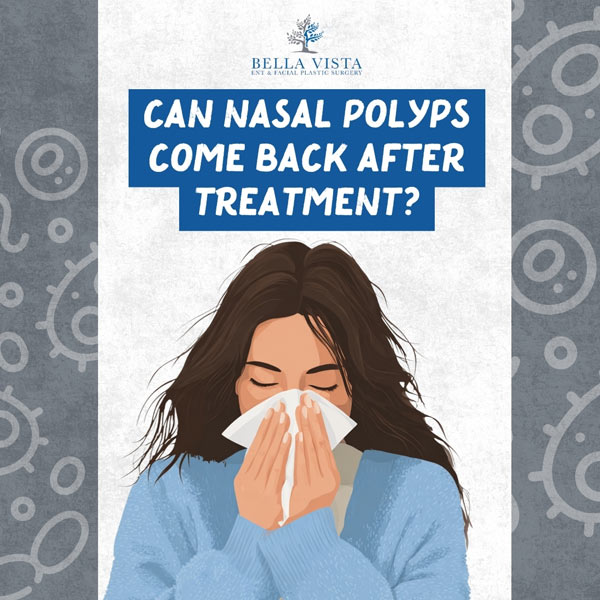
Can Nasal Polyps Come Back After Treatment?
Common sinus issues such as nasal congestion, postnasal drip, sinus pressure, headaches, and a runny nose can be frustrating, especially if they start affecting your day-to-day activities, productivity, concentration, sleep, and comfort.
Several factors may contribute to ongoing sinus concerns, and one of them is nasal polyps, which are soft and painless growths along the nasal and sinus linings. Depending on the size and number of growths, symptom severity, and individual health factors, treatment options and management strategies may also vary.
However, sometimes, these growths can come back, even after treatment. Our team here at Bella Vista ENT can help patients in Thousand Oaks, CA, understand why this happens and what might be contributing to the recurrence.
What Are Nasal Polyps?
Nasal polyps are soft, painless, noncancerous (benign) growths that can develop along the linings of the nasal and sinus passages. They can get irritated, swollen, and inflamed, which may block airflow and cause breathing difficulties through the nose.
Nasal polyps can grow on one or both sides of the nose, and individually or in clusters. They are often teardrop-shaped but can look more like peeled grapes when they grow bigger.
What Are the Common Symptoms of Nasal Polyps?
Nasal polyp symptoms can vary from one person to another. Small, individual growths can cause little or no symptoms, while larger and clustered growths can cause more pronounced symptoms, including:
- Nasal congestion
- A runny nose
- Difficulty breathing through one or both nostrils
- Sinus pain or pressure
- Postnasal drip, or mucus dripping down the back of the throat
- Loss of taste or smell
- Headaches
- Snoring
Nasal polyps can also increase the risk for:
- Frequent asthma attacks, for individuals with asthma
- Recurring or frequent sinus infections
- Snoring, sleep apnea, or other sleep disorders
What Causes Nasal Polyp Growth?
Nasal polyps are strongly associated with inflammation in the nasal and sinus passages. However, it’s yet to be determined why some people develop nasal polyps while others don’t.
Some conditions may increase the risk of developing nasal polyps, including:
- Allergies
- Asthma
- Chronic sinusitis
- Cystic fibrosis
How Are Nasal Polyps Treated?
Nasal polyp treatment will vary, depending on the severity of the condition, response to previous sinus treatments, and other individual health factors. Treatment options may include:
Medications
Medications may help reduce inflammation, shrink nasal polyps, and manage associated symptoms. Treatment recommendations depend on the individual patient and severity of disease. Common medications include:
- Steroid nasal sprays
- Oral steroids
- Biologic medications, such as dupilumab injections
- Antibiotics, which are prescribed if you have an infection
Surgery
If medications and other conservative treatments don’t work, your care provider may recommend surgical removal of the polyps. Procedures may include:
- Polypectomy: This is a minimally invasive procedure that uses tiny instruments, such as surgical scissors or snares, to grab onto and remove the polyps inside the nose.
- Balloon sinuplasty: Balloon sinuplasty is a minimally invasive procedure that uses a small balloon catheter that is inserted into the sinus cavity through the nostril. The balloon is gently inflated to widen and open blocked sinus passages. Balloon sinuplasty is designed to dilate certain blocked sinus drainage pathways; it does not remove nasal polyps. When clinically appropriate, a separate polyp-removal procedure may be performed as part of the overall treatment plan.
- Functional endoscopic sinus surgery (FESS): During an FESS procedure, the surgeon uses small instruments to remove polyps, diseased tissue, damaged bone, and anything that may be obstructing the nasal passages.
Can Nasal Polyps Come Back After Treatment?
Yes, nasal polyps can come back after treatment, including after medical treatment or surgical removal. Recurrence occurs because while treatment can reduce or remove the polyps, it may not always address or eliminate the underlying inflammation or condition that contributes to their development.
Recurrence can occur due to:
- Underlying conditions: Conditions associated with nasal polyps, including chronic rhinosinusitis, asthma, allergies, and aspirin-exacerbated respiratory disease (AERD), may be associated with ongoing inflammation and, in some patients, a higher risk of recurrence.
- Chronic inflammation: Ongoing irritation, swelling, and inflammation in the nasal and sinus linings can increase the risk for nasal polyp regrowth or recurrence.
Can Nasal Polyp Recurrence Be Prevented?
Nasal polyp recurrence is possible. Long-term maintenance, continued medical management, and regular follow-ups with your ENT care provider may help manage sinus inflammation and reduce the risk of recurrence.
- Take all medications as prescribed or recommended by your healthcare provider
- Take proactive steps to avoid allergens and irritants that can cause irritation and inflammation in the nose and sinuses
- Use saline nasal sprays to flush out allergens and other irritants in the sinus passages
- Practice good nasal and sinus hygiene
When Is It Time To See a Medical Professional for Nasal Polyps?
Consider seeing a sinus specialist if you are experiencing:
- Cold-like or sinusitis-like symptoms that persist longer than 10 days
- A single growth inside one of your nostrils
- No symptom improvement with over-the-counter medications
- Persistent symptoms that interfere with your daily activities, routine, sleep, and comfort
Moreover, seek immediate medical attention if you are experiencing severe red flag symptoms such as:
- Severe pain or swelling around the eyes
- A stiff neck
- Intense or worsening headache
- Vision changes
- Symptoms that worsen rapidly
Conclusion: Learn More About Nasal Polyp Treatment at Bella Vista ENT
Bella Vista ENT provides ear, nose, and throat care services for patients in Thousand Oaks, Westlake Village, Newbury Park, Camarillo, Agoura Hills, and the surrounding California communities.
If you are experiencing persistent nasal polyp symptoms despite treatment, get in touch with our team to learn more about potential contributing factors and how we can help.
If you find yourself dealing with persistent sinus issues such as nasal obstruction, breathing difficulties, postnasal drip, frequent sneezing, and…

Allergy Season in Thousand Oaks: What ENT Specialists Want You to Know
Seasonal allergies can affect Thousand Oaks residents at different times…